
If you have ever eaten a fish sandwich or quick seafood meal, you have likely tried Alaskan seiti fish without realizing it. This “widely consumed white fish” plays a huge role in modern diets. It stands out as a “healthy and affordable seafood” choice for families across the United States.
You will notice its popularity comes from flexibility and value. Many chefs call it a “versatile fish for cooking” because it works in countless dishes. From fast food to fine dining, Alaska pollock fish continues shaping the global seafood experience.
What Is Alaskan Seiti?
When you ask “what is Alaskan seiti fish”, the answer is simple. It is another name for Alaska pollock, a member of the cod family fish group. This species thrives in cold northern waters and supports massive fisheries.
You will often find it labeled differently in stores. However, its identity remains tied to the North Pacific fish ecosystem. Its mild nature makes it a “mild taste and soft texture fish” perfect for everyday cooking.
Definition and Meaning
The term Alaskan seiti refers to a fish widely used in commercial food systems. It belongs to the cod family and offers a reliable source of protein. People value it as a “nutrient-rich seafood option” across many regions.
In simple words, it is an affordable seafood option that fits most budgets. Think of it as the backbone of global fish consumption due to its accessibility and adaptability.
Scientific Classification
Scientifically, Alaskan seiti is classified under the Gadidae family, which includes cod and haddock. Its official name is Gadus chalcogrammus, linking it directly to other white fish varieties.
This classification helps you compare texture and taste. For example, many cod family fish share flaky meat and subtle flavor profiles ideal for cooking.
Other Names of Alaskan Seiti
You might see Alaskan seiti called Alaska pollock fish or walleye pollock. In Europe, especially Nordic regions, it is commonly labeled as seiti.
These variations can confuse buyers. However, all names point to the same “popular processed fish product” used in many processed seafood products worldwide.
Origin and Habitat of Alaskan Seiti
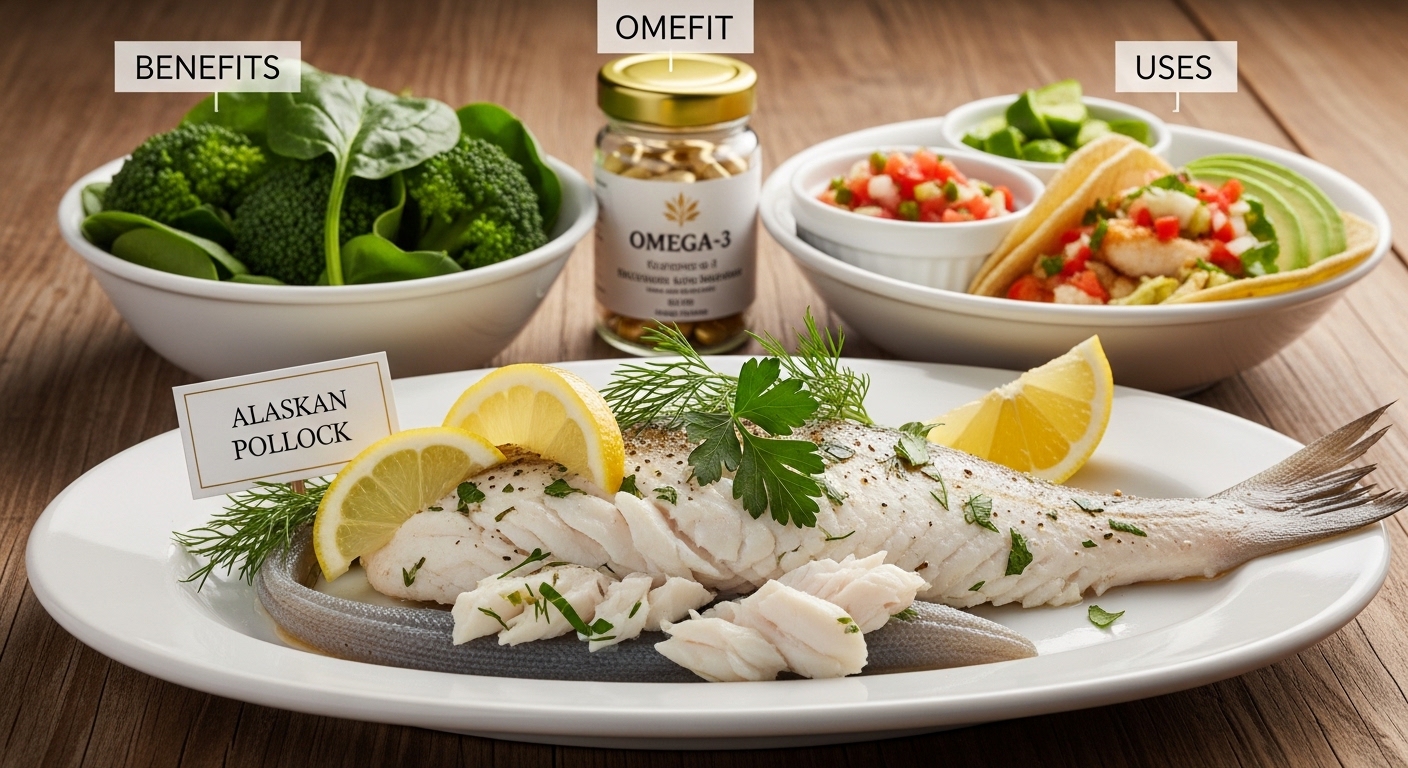
This fish originates from the North Pacific Ocean. It thrives in cold and nutrient-rich waters that support large populations. This environment shapes its clean taste.
Because it is a cold water fish species, its texture remains firm yet tender. That quality makes it ideal for cooking white fish fillets in different recipes.
Where the Fish Lives
You will mainly find Alaskan seiti in the Bering Sea and surrounding areas. These regions support large-scale Alaska fisheries operations.
The abundance of wild-caught pollock ensures steady supply. That is why it remains central to the commercial fishing industry.
Natural Habitat
The natural marine fish habitat of Alaskan seiti includes deep waters and strong currents. These conditions provide rich food sources.
Healthy ecosystems support better fish quality. This link highlights the importance of marine conservation and responsible seafood sourcing.
Migration and Life Cycle
Alaskan seiti follows seasonal migration patterns for spawning. Large groups move across the North Pacific Ocean during breeding periods.
This cycle ensures population balance. Strong fisheries management and overfishing prevention keep this process sustainable.
Appearance
This fish has a slim body with a darker back and lighter belly. Its simple look reflects its role as a “versatile fish for cooking”.
You may confuse it with cod at first glance. However, its softer texture makes it unique among white fish varieties.
Size and Weight
Most Alaskan seiti fish grow to moderate sizes. This makes them easy to process into fish fillets for mass distribution.
Their manageable weight supports efficiency. That is why they dominate the seafood processing industry globally.
Unique Features
One key feature is its flexible texture. It holds shape during cooking yet remains tender.
This quality makes it ideal for fish sticks and crispy fish snacks. It adapts easily to different cooking styles.
Key Nutrients
The Alaskan seiti nutritional value includes high protein and low fat. It qualifies as a high protein fish and low calorie fish.
It also provides vitamin B12 foods, selenium-rich foods, and iodine-rich seafood. These nutrients support daily health.
Health Benefits
Many people ask, “is Alaska pollock healthy?”. The answer is yes. It is a heart-healthy fish packed with brain health nutrients.
It also works as a weight-loss-friendly food option. Its benefits include anti-inflammatory effects and support for muscle growth.
Fish Fillets
Most households use Alaskan seiti as fish fillets. These cuts are easy to cook and widely available.
You can prepare easy fish recipes quickly. This convenience supports everyday homemade fish meals.
Fish Sticks and Breaded Fish
Many processed meals rely on Alaskan seiti. It is the main ingredient in fish sticks and breaded products.
Its texture holds during frying fish until crispy. That makes it perfect for fast and tasty meals.
Surimi and Imitation Crab
Surimi seafood uses Alaskan seiti fish as a base. This product becomes imitation crab meat after processing.
Its neutral flavor allows flexibility. That is why it appears in sushi and salads globally.
Pollock Roe
Pollock roe comes from Alaska pollock and serves niche markets. It is used in specialty dishes.
Although less common, it adds value. This highlights the fish’s role in diverse seafood dishes.
Global Fishing Industry
The global seafood industry depends heavily on Alaskan seiti. It ranks among top harvested fish species.
Its demand supports jobs worldwide. This strengthens the seafood industry supply chain.
Sustainable Fisheries
Sustainable fisheries ensure long-term supply of Alaskan seiti. Strict rules protect fish populations.
Modern eco-friendly fishing methods reduce damage. These efforts support “sustainable fishing practices”.
Economic Importance
The economic impact of Alaskan seiti is massive. It supports the commercial fishing industry and exports.
Its affordability drives demand. This keeps it central to the global fish consumption market.
Baking
Baking is one of the best ways to cook pollock fish. It keeps flavors natural and light.
Try a baked Alaska pollock recipe using herbs. This method suits low fat seafood diets.
Frying
Frying delivers crispy texture and rich taste. Many enjoy pan fried pollock fish for quick meals.
This method works well for crispy fish snacks. It enhances flavor instantly.
Grilling
Grilling adds smoky flavor to Alaskan seiti. It requires minimal oil and keeps meals healthy.
This approach fits modern healthy seafood options. It also suits outdoor cooking.
Soups and Stews
Fish soup recipes often include Alaskan seiti. Its softness blends well with vegetables.
A warm fish soup with vegetables offers comfort. It remains popular in colder regions.
How to Choose Fresh Fish
Choose firm and fresh-smelling Alaskan seiti fish. Avoid strong odors or dull appearance.
Freshness ensures better taste. It improves overall seafood meal preparation quality.
Frozen Fish Tips
Frozen Alaska pollock fish can be just as good. Proper freezing locks nutrients.
Check packaging dates carefully. This ensures high nutrient-dense fish quality.
Storage Guidelines
Store Alaskan seiti in cold conditions immediately. Refrigerate or freeze it quickly.
Proper handling prevents waste. Follow safe seafood storage practices.
Nutritional Profile: Lean Protein + Essential Nutrients
Below is a simple table showing Alaskan seiti nutritional value:
| Nutrient | Benefit |
|---|---|
| Protein | Muscle growth protein |
| Omega-3 | Heart healthy fish |
| Vitamin B12 | Brain health nutrients |
| Selenium | Anti-inflammatory foods |
This makes it a “lean protein source fish” perfect for daily diets.
Health Benefits Backed by Science
Scientific studies confirm health benefits of Alaska pollock. It supports heart and brain function.
Its nutrients reduce disease risk. This makes it a smart healthy seafood options choice.
Why Sustainability Matters — And How Seiti Delivers
Sustainable seafood Alaska pollock ensures long-term availability. Careful policies protect ecosystems.
Strong fisheries management supports balance. This protects both fish and environment.
Culinary Uses: From Pan to Plate
From simple meals to gourmet dishes, Alaskan seiti recipes offer endless options.
It works in frying, baking, and soups. This flexibility defines its global appeal.
Economic & Global Impact of Alaskan Pollock Fisheries
The influence of Alaska pollock fisheries spans continents. It supports trade and food systems.
Its role in the global seafood industry continues growing. Demand remains consistently high.
Popular Cooking Methods
Cooking methods include baking, frying, and grilling. Each enhances the fish differently.
Understanding how to cook Alaskan seiti helps you enjoy better meals.
Alaskan Seiti’s Global Popularity
This fish appears in Japanese seafood dishes and Nordic seafood cuisine. Its reach is truly global.
Its versatility supports diverse recipes. That explains its massive demand.
Sustainability and Environmental Impact
Efforts in marine conservation protect Alaskan seiti populations. Responsible fishing ensures balance.
This supports long-term availability. It also reduces environmental harm.
Economic Importance
Finally, Alaskan seiti drives economic growth worldwide. It fuels jobs and trade.
Its presence in markets reflects strength. It remains a cornerstone of the seafood economy.