H2: Introduction to Web-to-Print & Product Configurators
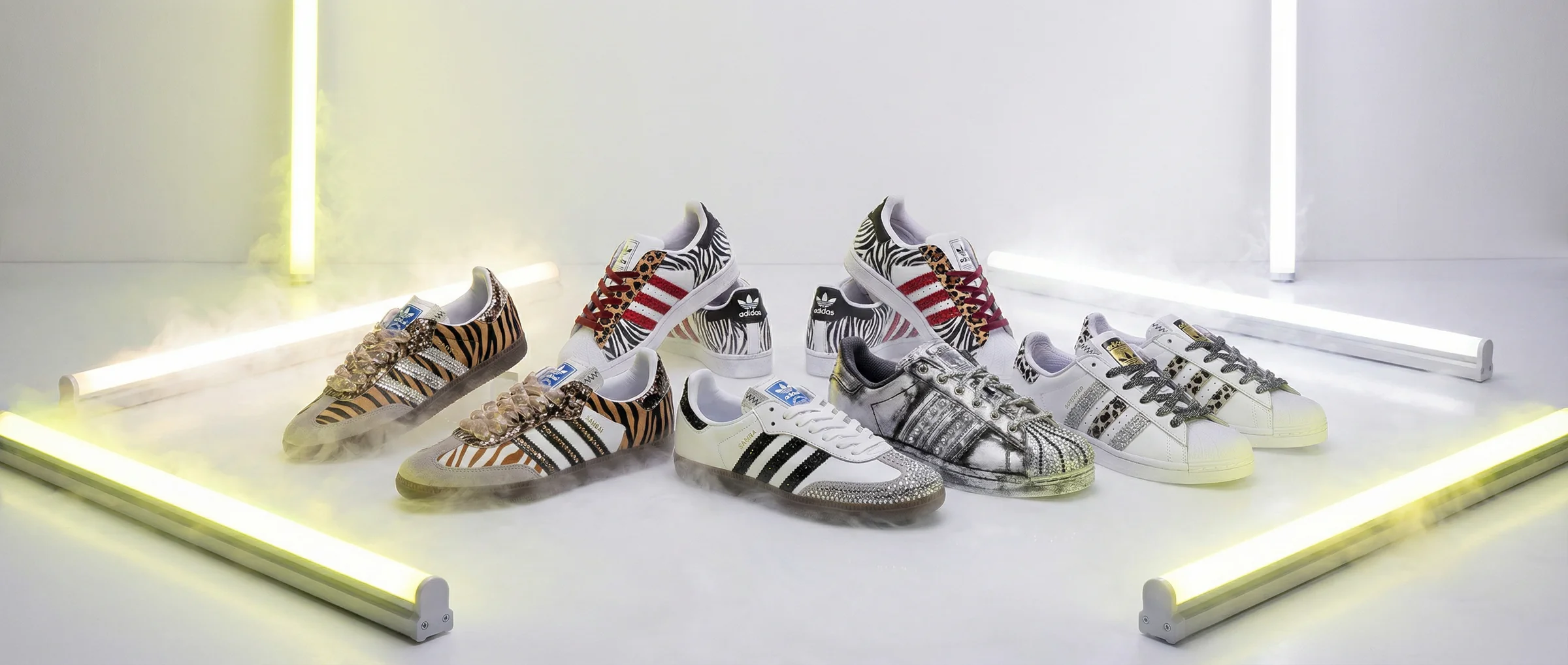
You already know Adidas as a global sportswear leader, yet its real strength lies in innovation and personalization. Today, the brand goes beyond selling products and delivers unique experiences through tools like the Adidas shoe configurator. This smart system lets you explore styles, adjust colors, and even add personal touches with ease. As a result, you can create your own Adidas shoes that truly reflect your personality. This shift shows how Adidas understands modern buyers who want more than just ready-made items. They want something personal, something that feels like it was made just for them.
At the same time, Adidas uses advanced technology to make customization simple and engaging. With features like the Adidas 3D shoe customization tool, you can view your design in detail before making a purchase. This builds trust and reduces hesitation. Moreover, platforms like Mi Adidas customization allow you to go even deeper into product design, especially for sportswear and team gear. These tools are part of a larger sportswear customization platform that supports creative freedom and flexibility.
In today’s fast-moving market, Adidas stays ahead by focusing on innovation and customer experience. This approach not only boosts engagement but also builds strong emotional connections. When you interact with these tools, you are not just buying a product. You are shaping a story that represents your style, identity, and confidence.
You are entering a fast-moving world where customization wins attention and sales. A product configurator lets users shape products in real time, while web-to-print tools focus on print-ready designs. Today, tools like a custom shoes design tool and online product customizer drive digital product customization across modern stores.
You can now offer a personalized fashion experience without complex systems. For example, brands use a shoe customization platform or apparel customization software to let users create your own Adidas shoes easily. This shift supports personalized clothing trends and helps brands express creativity through apparel in new ways.
H2: Web to Print Demo
You see web-to-print in action when users design printed items directly online. A custom apparel design system combined with a product personalization tool simplifies the journey. Users upload designs, adjust layouts, and complete orders with a smooth product configuration interface.
This system works best for print shops and merch brands. A strong eCommerce customization feature allows fast production and fewer errors. For example, a store using a CPQ (Configure Price Quote) solution can automate pricing and offer dynamic price calculation, which improves both speed and accuracy.
H2: Product Configurator Demo
You experience something powerful when using a 3D product configurator. It allows users to interact with products using 3D product visualization and real-time product preview. For example, customers can customize shoes online and instantly see changes using a custom sneaker builder.
This tool fits many industries, especially fashion and sports. A sportswear customization platform helps brands design sportswear online while improving engagement. As a result, businesses see higher conversions because users enjoy a hands-on custom design experience with premium customization features.
H2: Difference Between Web-to-Print and Product Configurator
You may think both tools are the same, but they serve different goals. A web-to-print system focuses on static designs, while a product configurator for sportswear brands enables interactive changes. Both support digital fashion customization, but their workflows are not identical.
H3: Web To Print
You deal with print-ready outputs in this system. Users upload files and prepare them for production. A product personalization tool here supports custom text and logo upload but does not allow deep interaction. It fits businesses that rely on structured print workflows.
H3: Product Configurator
You interact with products dynamically in this system. A footwear personalization tool or interactive product builder lets users adjust features live. For example, customers can change color customization options and see results instantly, which builds trust and improves buying decisions.
H2: Key Features of a Powerful Product Configurator
You need strong features to succeed in modern eCommerce. A 3D product configurator offers real-time product preview and accurate visuals. This helps users feel confident before buying. A good system also includes dynamic price calculation and smooth navigation.
You also need flexibility and integration. A best product configurator for apparel industry connects easily with stores and supports mobile devices. For example, an online uniform customization platform ensures users can personalize team uniforms anywhere without friction.
| Feature | Benefit |
|---|---|
| 3D Visualization | Better buying confidence |
| Real-time Preview | Instant feedback |
| Dynamic Pricing | Transparent cost |
| Mobile Support | Easy access |
| Integration | Smooth workflow |